33a Myoora Road, Terrey Hills NSW 2084 | Tel 94608711 | Fax 94362103
Hernia Surgery
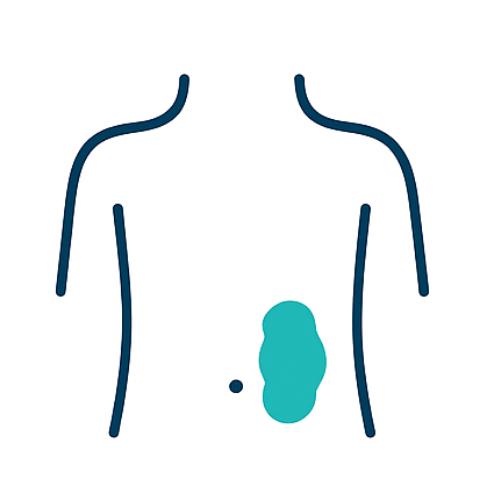
Hernias occur due to a hole or defect in the abdominal wall. Commonly these occur in the groin or at the front of the abdominal wall. Hernias may occur at the site of previous abdominal surgery. Intraabdominal fat or bowel may herniate through the defect resulting in a lump or swelling which may result in pain or discomfort.
Repair of Hernias
Hernias are repaired by returning the abdominal contents to the abdomen and placing a soft mesh patch over the defect. Hernia repairs are performed as a keyhole (laparoscopic) procedure and most patients are discharged from hospital on the day of their hernia repair.
INSTRUCTIONS FOLLOWING LAPAROSCOPIC INGUINAL HERNIA REPAIR
Dressings and incisions
You will have three small incisions. When you leave hospital, these will be covered with water-proof dressings. It is fine to shower. It is not unusual for there to be a small amount of blood under the dressings. Remove these dressings one week after the day of your surgery. There will be small sutures (stitches) under the skin which will dissolve. You should not swim in a pool or the ocean for two weeks following your surgery.
Activities
You should take things easy for a few days after your surgery. You should not drive for four or five days after your surgery provided you are comfortable and alert. You can walk as much as you like after surgery including stairs. You should not lift anything heavier than 10kgs for four weeks after surgery. Resistance exercise such as going to the gym, Pilates, or bike riding should be avoided for six weeks after surgery.
Constipation
It is common for patients to experience constipation after any surgery. Stool softeners or mild laxatives should be taken following surgery to avoid constipation.
Swelling and bruising
It is not uncommon for patients to experience swelling or bruising at the site of their hernia or into their testicles. This will resolve with time. In the case of large hernias, this may take some weeks to resolve.
Follow-up appointment.
I see patients for follow-up appointments 4 weeks post-operatively.
If it is more convenient for you to have your appointment by telephone, please let my secretary Leisa know on (+61) 2 94608711.
Other Conditions & Procedures
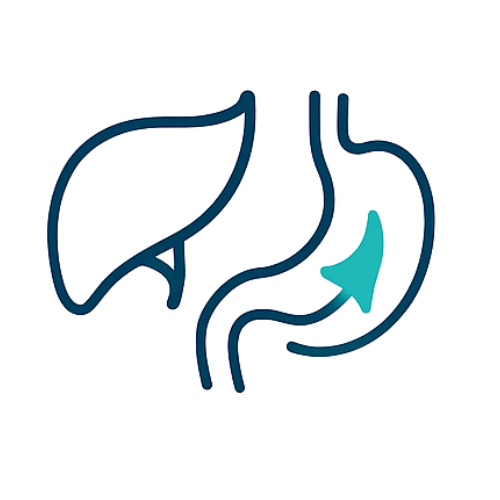
Gallbladder surgery
Gallbladder removal is performed using keyhole surgery to relieve pain and prevent complications
Surgery for reflux (GORD)
Surgery for reflux strengthens the valve between the oesophagus and stomach to prevent acid reflux.
Surgery for large hiatus hernia
Keyhole surgery repairs the hiatus and returns the stomach to its normal position.
Surgery for weight loss
Keyhole weight loss surgery reduces stomach size to support long-term health and weight management.

Laparoscopic and needlescopic surgery
Uses ultra-fine keyhole instruments to reduce pain and improve cosmetic outcomes.
Cancer surgery
Keyhole surgery is used to treat oesophageal and gastric cancers in combination with chemotherapy.