33a Myoora Road, Terrey Hills NSW 2084 | Tel 94608711 | Fax 94362103
Surgery for Large Hiatus Hernia
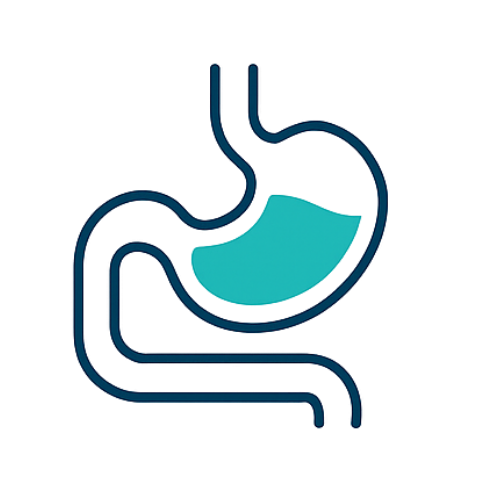
Large hiatus hernias occur when the stomach herniates through the hiatus and into the chest cavity. The hiatus is the hole in the diaphragm through which the oesophagus passes from the chest cavity into the abdomen. Patients with large hiatus hernias may experience reflux symptoms, regurgitation and difficulty swallowing, chest pain and shortness of breath and anaemia.
Surgery for large hiatus hernias
Surgery for large hiatus hernias is performed laparoscopically (keyhole), and patients are discharged from the hospital after a two or three-night stay.
INSTRUCTIONS FOLLOWING SURGERY FOR LARGE HIATUS HERNIA
Dressings and incisions
You will have five small incisions. When you leave hospital, these will be covered with water-proof dressings. It is fine to shower. It is not unusual for there to be a small amount of blood under the dressings. Remove these dressings one week after the day of your surgery. There will be small sutures (stitches) under the skin which will dissolve. You should not swim in a pool or the ocean for two weeks following your surgery.
Activities
You should take things easy for a few days after your surgery. It is not unusual to feel washed out and tired for some weeks after the repair of a large hiatus hernia. You should not drive for four or five days after your surgery provided you are comfortable and alert. You can walk as much as you like after surgery including stairs. You should not lift anything heavier than 10kgs for six weeks after surgery. Resistance exercise such as going to the gym, Pilates, or bike riding should be avoided for six weeks after surgery.
Diet
You will speak to our dietitian prior to your discharge from hospital. Our dietitian will provide you with dietary advice. It is common for patients to experience constipation after any surgery. Stool softeners or mild laxatives should be taken prior to surgery to avoid constipation or following surgery if you become constipated.
Post operative pain
It is not uncommon for patients to experience pain across the shoulders, neck and chest after hiatus hernia surgery. This is referred pain from the sutures in the diaphragm that have been used to repair your hiatus hernia. This will settle after a few days to a week. You should take regular paracetamol to treat this pain as well as the strong pain killers provided to you in hospital as required.
Follow-up appointment.
I see patients for follow-up appointments 4 weeks post-operatively.
If it is more convenient for you to have your appointment by telephone, please let my secretary Leisa know on (+61) 2 94608711.
Other Conditions & Procedures
Hernia Surgery
Minimally invasive hernia repair restores abdominal strength and relieves discomfort.
Gallbladder surgery
Gallbladder removal is performed using keyhole surgery to relieve pain and prevent complications
Surgery for reflux (GORD)
Surgery for reflux strengthens the valve between the oesophagus and stomach to prevent acid reflux.

Surgery for weight loss
Keyhole weight loss surgery reduces stomach size to support long-term health and weight management.

Laparoscopic and needlescopic surgery
Uses ultra-fine keyhole instruments to reduce pain and improve cosmetic outcomes.

Cancer surgery
Keyhole surgery is used to treat oesophageal and gastric cancers in combination with chemotherapy.